The real work of balancing our state’s budget began AFTER the Governor’s speech when the Joint Finance–Appropriations Committee (JFAC) convened on Tuesday, January 13.
From the Idaho Gang of Eight:
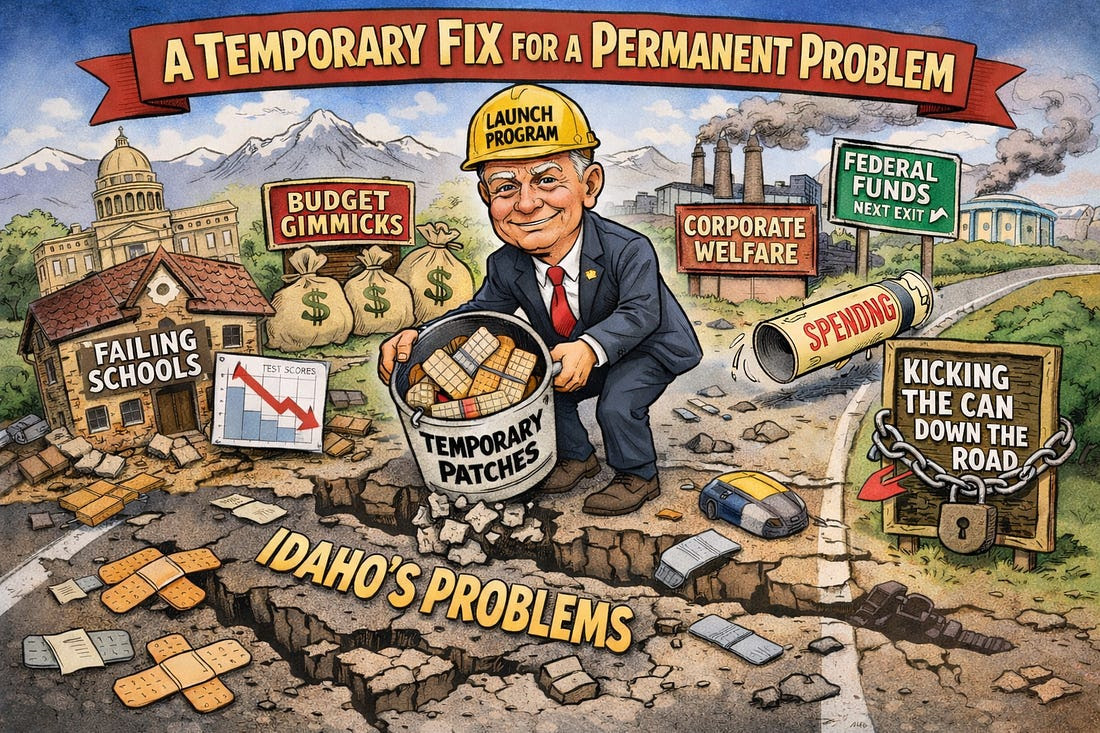
Governor Brad Little delivered a masterclass speech in vague platitudes, patriotic nostalgia, and self-congratulation, while offering virtually no concrete solutions to the real challenges facing Idahoans. He spoke at length about “enduring values,” “right-sizing” government, and “fiscal responsibility,” but provided almost no specifics on the structural causes of Idaho’s budget shortfall, education outcomes, or the need for real reform. Instead, the speech kicked the can down the road with temporary fixes, hardly the bold leadership Idaho needs.
According to Idaho Freedom Foundation, Little’s budget proposal leaves the heavy lifting to the legislature. Key points:
1. The budget proposal makes neither major structural reforms nor eliminates major programs. For example, the governor pulls back $10 million from his newly launched “In-demand Careers” Program but doesn’t rescind it.
2. The Idaho Constitution requires a balanced budget, which means an ending balance (revenues minus expenditures) of at least $0. The FY26 budget’s projected ending balance of $32 million for the current fiscal year means that if the actual revenues are merely 1% short of the projected revenues of $5.5 billion, the ending balance will be negative. Meaning it won’t pass constitutional muster, and the Legislature will have to be called back into special session.
3. About 99% of General Fund expenditures in FY26 are for ongoing items in the budget, rather than one-time spending, but the governor is balancing the budget with one-time cuts for the remainder of the year.
At the end of the day, the governor has applied short-term remedies, leaving the hard work of restoring fiscal discipline to the Legislature.
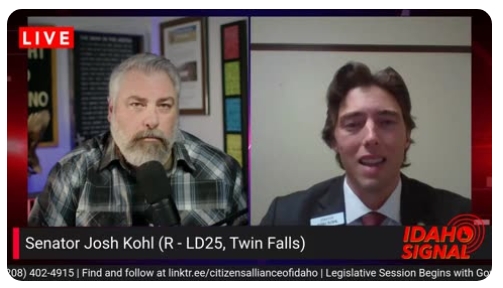
Fighting back
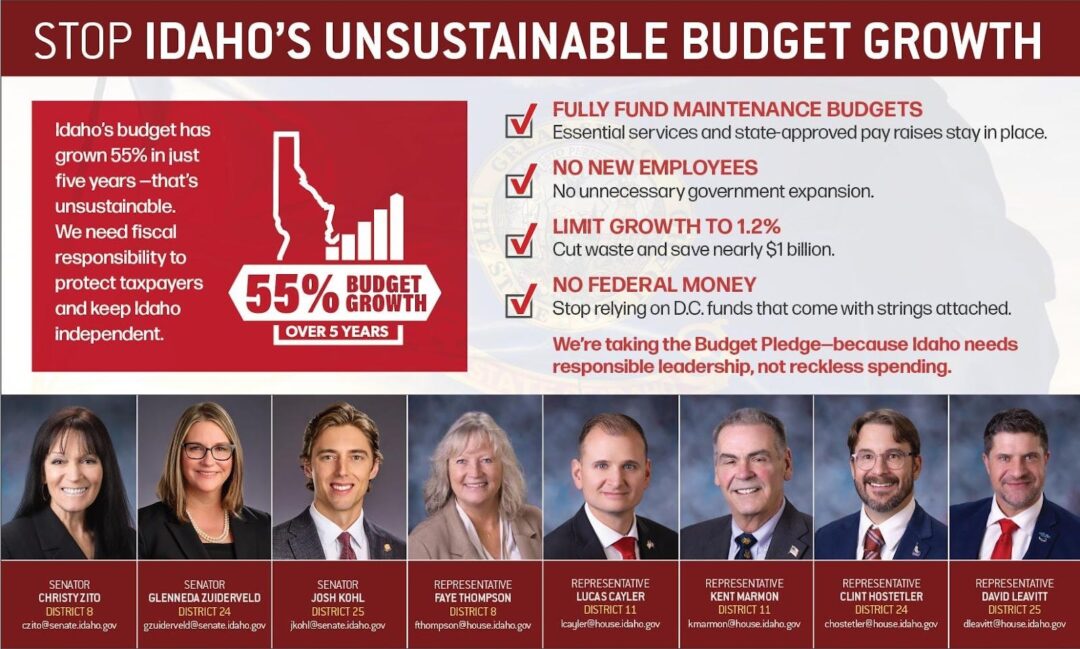
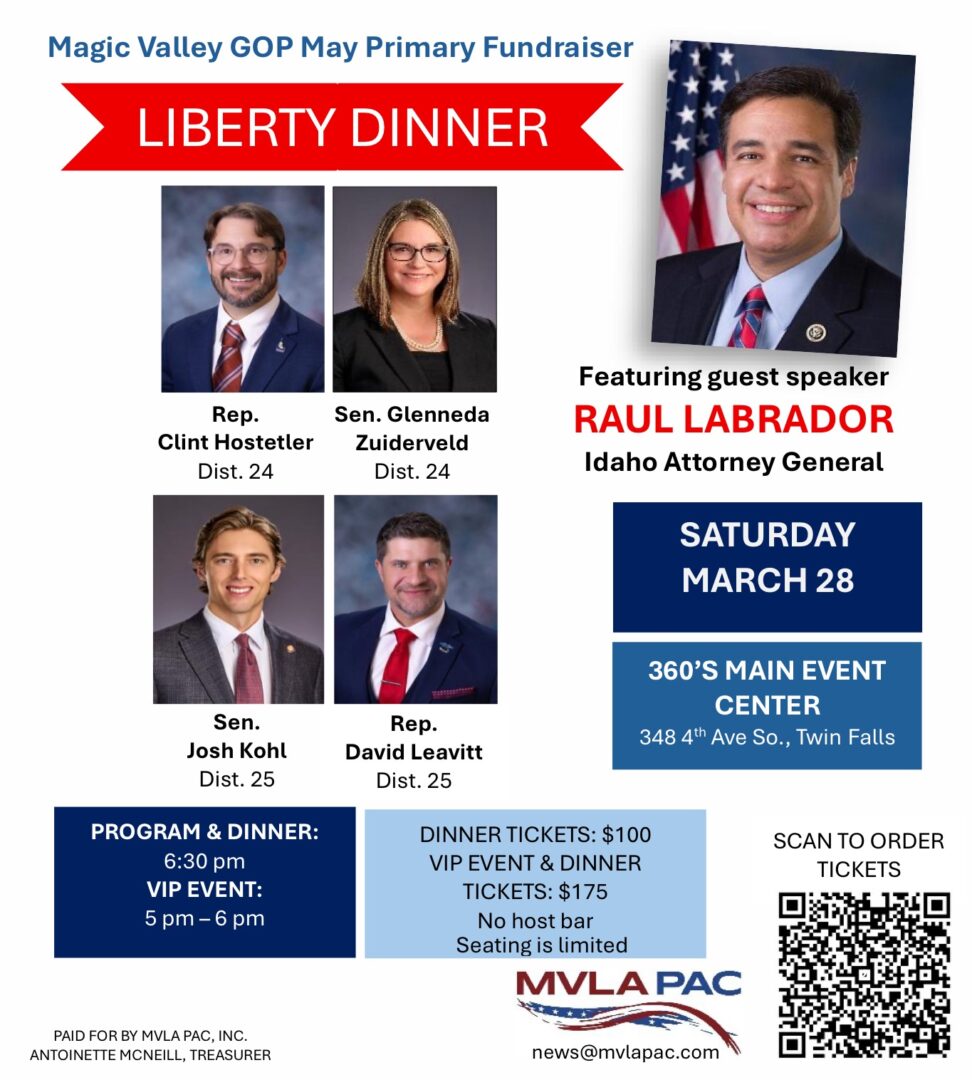
Thankfully, our Magic Valley legislators (below), along with other conservative legislators, will be fighting back against the usual bureaucratic smoke and mirrors accounting that has led to a budget deficit shortfall this year and next, and getting close to $800 million or more in FY2027.